


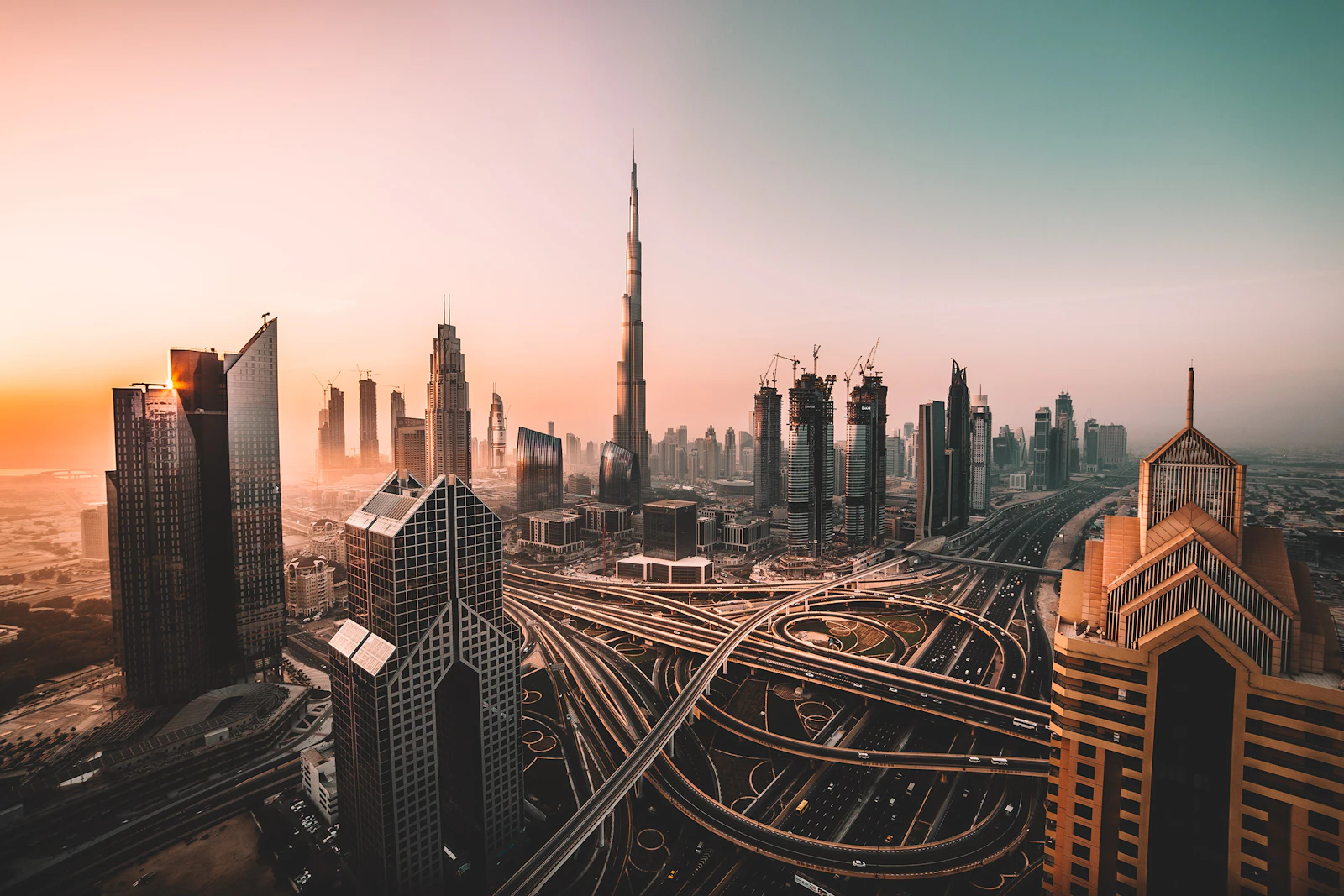
Dubai 2040 Plan Secondary Resale Value
Written by Chak (Chakravarthy Natarajan Santhakumar) - Last updated: November 2026. The evolution of Dubai through the lens of the 2040 Urban Master Plan represents a structural pivot from sprawling suburban expansion to intensified, transit-oriented multi-center urban nodes. At Chakwise, our institutional advisory framework dictates that capital allocation must track infrastructure velocity rather than superficial sentiment, recognizing that secondary resale appreciation in established urban centers is fundamentally driven by the compression of developable land within designated polycentric hubs. As the emirate targets a population threshold approaching six million residents over the next decade and a half, the structural demand profile for secondary assets within the historical and emerging urban centers undergoes a profound transformation, separating speculative off-plan constructs from enduring, cash-generating secondary stock that commands sustained liquidity during market corrections.Sovereign corridors defined within the 2040 blueprint such as the Downtown-Business Bay axis, the Dubai Marina-JBR coastal corridor, and the emerging Expo City and Silicon Oasis hubs are witnessing a deliberate reallocation of public capital aimed at enhancing multimodal transport connectivity, green transit-oriented spaces, and mixed-use commercial densities. This deliberate policy intervention alters the supply-demand equilibrium in mature secondary markets, where new supply is inherently constrained by existing architectural density. Consequently, secondary assets in these urban centers possess an asymmetric valuation advantage over remote greenfield developments, as they offer immediate operational occupancy, verified infrastructure maturity, and established community ecosystems that cannot be replicated overnight by master developers launching peripheral master plans.Valuation framing within these secondary urban centers requires a sophisticated dismantling of traditional capital appreciation metrics, moving beyond nominal price-per-square-foot comparisons to evaluate net yield sustainability, replacement cost dynamics, and the compounding velocity of transit-adjacent foot traffic. When family offices and institutional allocators deploy capital into secondary resale units, they are underwriting the longevity of the urban node itself. The Dubai 2040 framework explicitly protects and enhances these core nodes by restricting low-density sprawl and channeling municipal investment into upgrading existing infrastructure, thereby safeguarding the long-term capital value of mature apartments and townhouses against obsolescence risks.Furthermore, the interplay between macroeconomic liquidity inflows into the United Arab Emirates and the structural tightening of prime urban inventory creates a unique valuation cushion for secondary assets. Unlike primary off-plan properties that bear construction, execution, and delivery delays, secondary properties in key urban centers offer immediate integration into the rental yield pool, providing an effective hedge against inflationary cost pressures on construction materials and labor. Through our rigorous advisory lens, we counsel our private wealth clients to view secondary resale appreciation not as a function of speculative frenzy, but as a mathematical certainty derived from the convergence of fixed land supply, mounting population densities, and sovereign-backed urban intensification strategies.