CHAKWISE Wisdom-Driven Investment Advisory
← Back to Home
Research & Market Intelligence

All Investment Insights & Briefings

Objective evaluations of UAE property structures, capital allocation frameworks, and sovereign market dynamics.

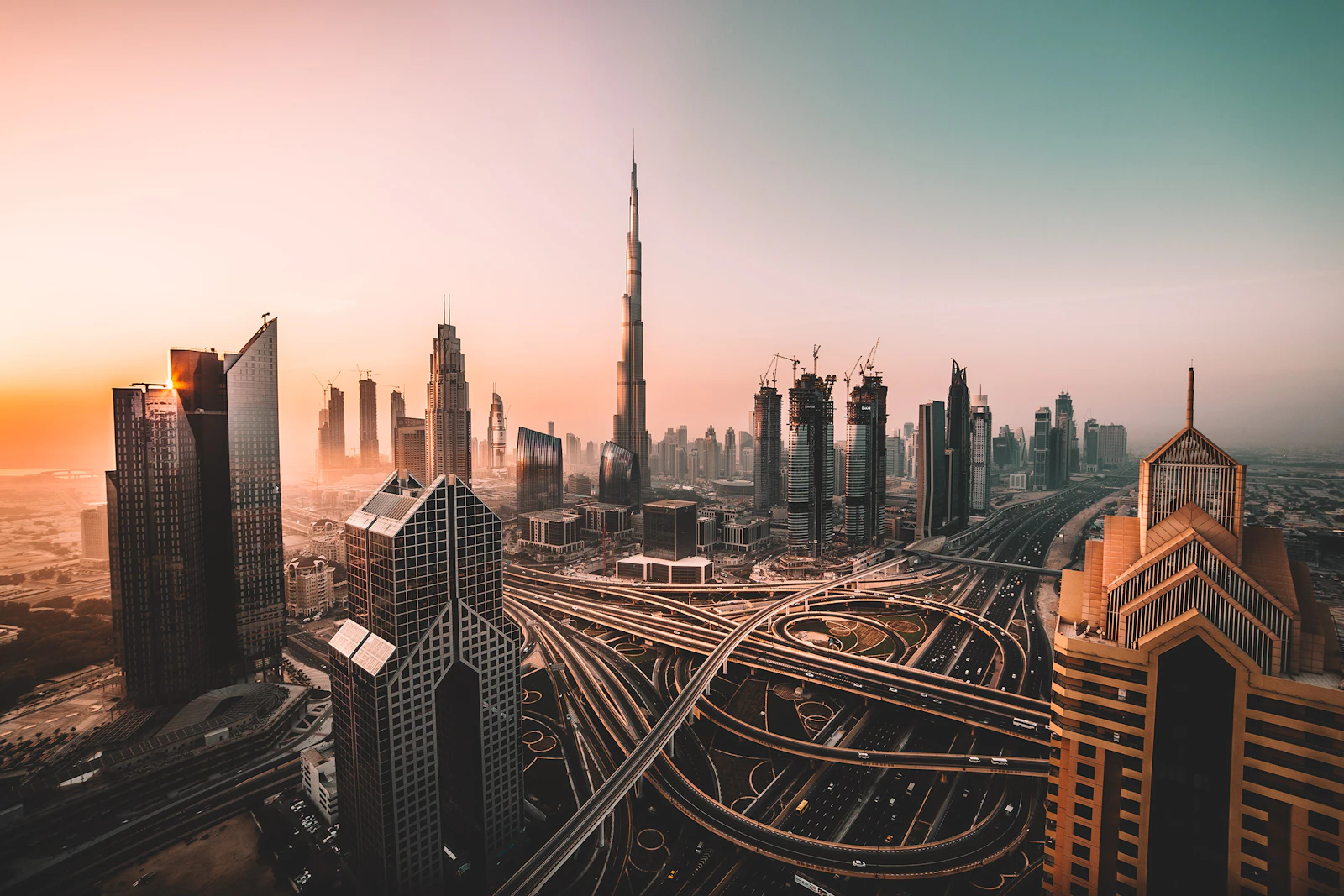
Dubai 2040 Plan Secondary Resale Value
Infrastructure & Growth Corridors

Dubai 2040 Plan Secondary Resale Value

Written by Chak (Chakravarthy Natarajan Santhakumar) - Last updated: November 2026. The evolution of Dubai through the lens of the 2040 Urban Master Plan represents a structural pivot from sprawling suburban expansion to intensified, transit-oriented multi-center urban nodes. At Chakwise, our institutional advisory framework dictates that capital allocation must track infrastructure velocity rather than superficial sentiment, recognizing that secondary resale appreciation in established urban centers is fundamentally driven by the compression of developable land within designated polycentric hubs. As the emirate targets a population threshold approaching six million residents over the next decade and a half, the structural demand profile for secondary assets within the historical and emerging urban centers undergoes a profound transformation, separating speculative off-plan constructs from enduring, cash-generating secondary stock that commands sustained liquidity during market corrections.Sovereign corridors defined within the 2040 blueprint such as the Downtown-Business Bay axis, the Dubai Marina-JBR coastal corridor, and the emerging Expo City and Silicon Oasis hubs are witnessing a deliberate reallocation of public capital aimed at enhancing multimodal transport connectivity, green transit-oriented spaces, and mixed-use commercial densities. This deliberate policy intervention alters the supply-demand equilibrium in mature secondary markets, where new supply is inherently constrained by existing architectural density. Consequently, secondary assets in these urban centers possess an asymmetric valuation advantage over remote greenfield developments, as they offer immediate operational occupancy, verified infrastructure maturity, and established community ecosystems that cannot be replicated overnight by master developers launching peripheral master plans.Valuation framing within these secondary urban centers requires a sophisticated dismantling of traditional capital appreciation metrics, moving beyond nominal price-per-square-foot comparisons to evaluate net yield sustainability, replacement cost dynamics, and the compounding velocity of transit-adjacent foot traffic. When family offices and institutional allocators deploy capital into secondary resale units, they are underwriting the longevity of the urban node itself. The Dubai 2040 framework explicitly protects and enhances these core nodes by restricting low-density sprawl and channeling municipal investment into upgrading existing infrastructure, thereby safeguarding the long-term capital value of mature apartments and townhouses against obsolescence risks.Furthermore, the interplay between macroeconomic liquidity inflows into the United Arab Emirates and the structural tightening of prime urban inventory creates a unique valuation cushion for secondary assets. Unlike primary off-plan properties that bear construction, execution, and delivery delays, secondary properties in key urban centers offer immediate integration into the rental yield pool, providing an effective hedge against inflationary cost pressures on construction materials and labor. Through our rigorous advisory lens, we counsel our private wealth clients to view secondary resale appreciation not as a function of speculative frenzy, but as a mathematical certainty derived from the convergence of fixed land supply, mounting population densities, and sovereign-backed urban intensification strategies.

Etihad Rail Freight Impact on Northern Emirates Industrial Yields
Infrastructure & Growth Corridors

Etihad Rail Freight Impact on Northern Emirates Industrial Yields

Written by Chak (Chakravarthy Natarajan Santhakumar) - Last updated: November 2026. The transformation of the United Arab Emirates logistics landscape through the operationalization of the national rail network marks a structural inflection point for industrial real estate asset valuation across the Northern Emirates. For decades, the valuation matrix governing warehousing, light manufacturing, and distribution assets in Sharjah, Ajman, Umm Al Quwain, and Ras Al Khaimah relied heavily on road freight accessibility, primary highway proximity, and proximity to domestic urban centers. The integration of a heavy freight railway network alters this paradigm permanently, shifting the locus of industrial asset attractiveness toward rail terminal nodes, dry ports, and intermodal connectivity points.Sovereign infrastructure corridors such as the Etihad Rail network are not merely transit upgrades. They function as macroeconomic redistributors of industrial capital, reshaping spatial economics by compressing transit times between deep-water ports, heavy industrial zones, and the broader GCC consumer base. As freight moves off highways and onto tracks, secondary and tertiary industrial clusters in the Northern Emirates experience a fundamental re-rating of their underlying land values. Assets that were previously discounted due to peripheral locations are now re-evaluated through the lens of multimodal efficiency, unlocking unprecedented operational synergies for tenants and compressed capitalization rates for institutional owners.At CHAKWISE, our advisory engagements with merchant families and sovereign capital allocators require a granular, bottom-up underwriting approach to assess how macro infrastructure investments translate into micro-level net operating income. The deployment of the national railway introduces a complex matrix of winners and losers within the Northern Emirates industrial real estate ecosystem. Facilities lacking direct or proximate access to freight terminals face structural obsolescence as tenant demand concentrates around rail-served logistics parks. Conversely, modern warehouses situated within designated economic corridors are commanding premium rents, redefining yield expectations and challenging historical cap rate spreads between Dubai and its northern neighbors.Understanding the true financial impact of this infrastructure shift demands an exhaustive examination of supply chain economics, municipal zoning policies, and capital market dynamics. As logistics operators transition their supply chains to leverage rail economics, property yields are responding to changes in tenant stickiness, lease structures, and capital expenditure requirements. This dossier provides a comprehensive institutional assessment of how Etihad Rail reshapes industrial real estate yields across the Northern Emirates, offering actionable intelligence for sophisticated investors seeking to navigate this generational asset re-pricing cycle with precision and strategic foresight.

Real Estate Compounding vs Lottery Speculation
Capital Allocation & Ownership

Real Estate Compounding vs Lottery Speculation

Written by Chak (Chakravarthy Natarajan Santhakumar) - Last updated: November 2026. In an era dominated by hyper-accelerated digital liquidity and speculative retail trading applications, the foundational principles of wealth generation have been subjected to a dangerous cultural distortion. Modern retail investors, seduced by the illusory glamour of overnight crypto pumps and high-beta equity options, increasingly approach real estate with the same lottery ticket mentality. This speculative virus has seeped into prime property markets across the globe, transforming what should be a calculated, institutional-grade compounding machine into a high-risk game of musical chairs. At CHAKWISE, we observe this psychological friction daily among private capital allocators who mistake short-term price volatility for fundamental value creation. True generational wealth has never been built on the ephemeral adrenaline of the flip, but rather on the patient, unglamorous physics of structural compounding over multi-decade holding periods.To understand the mechanics of this compounding machine, one must first deconstruct the macroeconomic environment governing prime sovereign corridors today. Global liquidity cycles, driven by shifting central bank balance sheets and structural inflation pressures, have permanently altered the cost of capital. Real estate assets residing in Tier-1 global hubs and emerging ultra-prime growth corridors cannot be evaluated through the simplistic lens of nominal capital appreciation alone. Instead, they require a sophisticated synthesis of sovereign stability, net operating income yields, legal title protections, and demographic tailwinds. When investors treat prime real estate as a speculative instrument, they ignore the friction of transactional costs, maintenance drag, and financing leverage risks, ultimately exposing themselves to devastating capital impairments when market sentiment inevitably normalizes.The institutional reality is that real estate functions as a slow-burn wealth engine precisely because it is illiquid. That very illiquidity, often mischaracterized as a defect by amateur traders, is its greatest structural virtue. It protects the asset from the emotional panics of public equity markets, forcing a long-term discipline that allows rental yields to compound, principal balances to amortize through tenant cash flows, and urban infrastructure to mature around the asset. As strategic advisors, our mandate at CHAKWISE is to strip away the noise of off-plan hype and social media marketing campaigns, replacing them with rigorous actuarial discipline. We guide our merchant families and institutional partners to view property not as a ticket to quick riches, but as a sovereign-grade balance sheet anchor designed to outlive market cycles and preserve purchasing power across generations.This comprehensive dossier explores the stark divergence between speculative property trading and methodical real estate compounding. We will dissect the granular financial underwriting required to survive market corrections, analyze the hidden leakage points of service charges and holding costs, and establish a bulletproof framework for evaluating net cash flow yields. By examining the mathematical realities of leverage, capital stacks, and exit liquidity, this analysis aims to re-engineer your approach to property acquisition, shifting your perspective from the transient thrill of the lottery ticket to the enduring power of the compounding machine.

DIFC Commercial Tightness & Grade-A Yield Compression
Market Intelligence & Macro

DIFC Commercial Tightness & Grade-A Yield Compression

Written by Chak (Chakravarthy Natarajan Santhakumar) - Last updated: November 2026. The Dubai International Financial Centre continues to exhibit severe structural undersupply across core commercial strata, driven by relentless institutional inflows and a regulatory framework that commands immense global prestige. As multinational occupiers compete fiercely for limited footprints, vacancy rates within prime addresses have compressed to near-zero levels, creating an intensely landlord-favourable leasing environment.Sovereign capital corridors and international wealth funds are actively bidding up prime commercial assets, seeking safe-haven cash flows amidst broader macroeconomic uncertainties. This sustained demand pressure has directly accelerated capital values, resulting in aggressive yield compression across fully fitted Grade-A inventory. Traditional cap-rate calculations no longer apply when evaluating these trophy assets, as pricing increasingly reflects scarcity value and long-term strategic positioning.Master community maturity within the financial district has reached a saturation point where new contiguous land releases are virtually non-existent. Consequently, asset appreciation is decoupled from broader Dubai property cycles, tethered instead to tenant revenue density and the unwavering appeal of common law regulatory structures. Investors entering this sub-market must look past nominal headline prices and evaluate the structural durability of cash flows under shifting global tax regimes.This advisory note establishes a rigorous underwriting baseline for evaluating DIFC commercial acquisitions, dissecting the true operational drag on net operating income and stress-testing capital deployment against potential macroeconomic headwinds. Our objective is to strip away retail sales hype and provide institutional-grade clarity for family offices and private capital allocators deploying significant ticket sizes into Dubai's premier financial free zone.

RAK Gaming Corridor Short Term Rental Yield Pro Forma
Market Intelligence & Macro

RAK Gaming Corridor Short Term Rental Yield Pro Forma

Written by Chak (Chakravarthy Natarajan Santhakumar). The sovereign announcement of the Wynn Al Marjan Island integrated resort project in Ras Al Khaimah fundamentally alters the northern emirates investment landscape, shifting focus from traditional industrial plays to ultra-luxury hospitality corridors. This structural shift mirrors the early developmental phases of Dubai Marina, yet it operates under a distinct regulatory framework driven by the newly established General Commercial Gaming Regulatory Authority (GCGRA). Investors evaluating this emerging ecosystem must look past initial headline excitement to assess how localized tourism infrastructure will absorb anticipated visitor surges upon resort completion.Sovereign corridors in Ras Al Khaimah are experiencing unprecedented capital inflows, supported by progressive foreign ownership laws and long-term residency visa initiatives that attract international high-net-worth individuals. Unlike saturated urban centers, Al Marjan Island offers a low-density, resort-style master community that blends beachfront exclusivity with high-yield short-term rental potential. The macroeconomic drivers supporting this micro-market include sustained growth in UAE inbound tourism, strategic airline expansion, and a deliberate government push to diversify the emirate's GDP away from traditional manufacturing sectors.Master community maturity on Al Marjan Island is accelerating rapidly, with multiple branded residences, luxury hotels, and high-end residential towers moving from master planning to vertical construction. However, the temporal mismatch between the delivery of the Wynn resort and the handover of surrounding residential supply introduces specific market timing considerations. Early investors face both the advantage of lower entry pricing and the interim friction of active construction zones, which can temporarily impact short-term rental occupancy rates and nightly rate realization during the pre-opening phase.Initial valuation framing for properties within the Ras Al Khaimah gaming corridor requires a disciplined approach to capital expenditure and projected net operating income. Current average square-foot acquisition costs sit well below comparable beachfront districts in Dubai, offering an attractive gross yield spread on paper. Yet, translating these gross figures into sustainable net returns demands rigorous stress testing against localized service charges, property management fees, seasonal demand fluctuations, and potential supply spikes as secondary phases of the master plan come online.

Saadiyat Cultural District Branded Residences Gap
Market Intelligence & Macro

Saadiyat Cultural District Branded Residences Gap

Written by Chak (Chakravarthy Natarajan Santhakumar). Saadiyat Island stands as Abu Dhabi's premier cultural anchor, anchored by institutional-grade assets such as the Louvre Abu Dhabi, the forthcoming Zayed National Museum, and the Guggenheim Abu Dhabi. This convergence of global art, architecture, and sovereign capital has created an acute structural deficit in ultra-prime residential supply, particularly within the branded segment where high-net-worth buyers demand world-class hospitality services paired with cultural proximity. Unlike traditional luxury enclaves across the broader United Arab Emirates, Saadiyat's master plan enforces strict density controls and low-rise architectural guidelines, inherently capping gross square footage and restricting incoming supply.Sovereign capital corridors originating from Western Europe, the United States, and key Asian wealth hubs are increasingly pivoting toward Abu Dhabi's cultural core. Family offices and multi-generational dynastic wealth view Saadiyat Island not merely as a lifestyle destination, but as a preservation vehicle insulated from inflationary pressures and geopolitical volatility. This sustained influx of institutional capital has compressed gross yields while simultaneously driving capital values upward, setting a new benchmark for ultra-prime real estate valuation in the capital emirate. The scarcity of direct beachfront or museum-adjacent plots amplifies this dynamic, creating a severe supply-demand imbalance.Master community maturity on Saadiyat Island is transitioning from its foundational infrastructure phase into a fully integrated luxury ecosystem. The completion of major cultural institutions acts as a permanent catalyst, transforming the district from a weekend leisure spot into a primary and secondary residential sanctuary for the global elite. Infrastructure investments, including enhanced connectivity to mainland Abu Dhabi and expanded maritime facilities, further solidify the island's positioning. However, this maturation creates a compounding challenge for prospective buyers, as available land banks for branded residential development approach absolute exhaustion.Initial valuation framing across the Saadiyat Cultural District indicates that ultra-prime branded inventory trades at a significant premium over unbranded counterparts, often exceeding forty percent on a per-square-foot basis. This premium is justified by hotel-managed amenities, white-glove concierge services, and the intangible asset value of association with elite hospitality brands such as Nobu, Mandarin Oriental, and Saadiyat Lagoons developments. Investors evaluating this asset class must look past headline acquisition figures and analyze the underlying mechanics of service charges, long-term asset degradation, and secondary market liquidity to ensure capital preservation over a ten-year horizon.

Sharjah Waterfront & Al Zahia Yields
Market Intelligence & Macro

Sharjah Waterfront & Al Zahia Yields

Written by Chak (Chakravarthy Natarajan Santhakumar) - Last updated: November 2026Sharjah presents a compelling counter-cyclical narrative for private capital seeking yield resilience beyond core Dubai corridors. As capital allocators re-evaluate urban concentration risks, the emirate's master-planned waterfront extensions and established commercial arteries offer distinct pricing inefficiencies.By evaluating Sharjah Waterfront City and the Al Zahia commercial corridor through a merchant-banking lens, private investors can capture superior risk-adjusted returns underpinned by genuine end-user absorption rather than speculative leverage.Key Strategic TakeawaysSharjah Waterfront City provides marine-anchored land banking opportunities at a significant discount to comparable Dubai coastal parcels.Al Zahia commercial assets benefit from captive footfall driven by integrated master communities and robust local family consumption patterns.Capital preservation relies on understanding leasehold versus freehold transition frameworks within Sharjah real estate legislation.

Palm Jebel Ali Family Office Capital Migration Guide
Market Intelligence & Macro

Palm Jebel Ali Family Office Capital Migration Guide

Written by Chak (Chakravarthy Natarajan Santhakumar). Global wealth architecture is undergoing a structural realignment, with sovereign families and ultra-high-net-worth trusts systematically redeploying liquidity from legacy Western jurisdictions into tax-efficient Gulf bastions. Dubai has transitioned from a tactical diversification stop to a permanent foundational domicile for generational balance sheets. Within this broader migration, waterfront trophy assets remain the primary vehicle for capital preservation, offering a tangible hedge against persistent macroeconomic volatility and currency devaluation pressures.Palm Jebel Ali represents the next frontier in this coastal wealth aggregation strategy, dwarfing its predecessor in scale and engineered to absorb multi-billion-dollar allocations from international family offices. Unlike mature urban districts facing density constraints, this mega-project offers an expansive canvas for custom-built trophy estates, private marinas, and low-density residential enclaves designed specifically for multi-generational habitation. Sovereign capital flows into this corridor are not driven by speculative retail sentiment, but by long-term master-planning horizons and the security of Dubai's robust legal framework.Evaluating this asset class requires stripping away the marketing hyperbole to examine underlying infrastructure timelines, developer delivery mechanics, and macro liquidity cycles. Family offices entering this market must navigate complex capital deployment schedules tied to construction milestones rather than immediate occupancy. By anchoring allocations in primary waterfront parcels, institutional allocators can secure asymmetrical upside while insulating their portfolios against localized supply gluts in standard high-rise sectors.

Northern Emirates Industrial Yields Post Etihad Rail
Market Intelligence & Macro

Northern Emirates Industrial Yields Post Etihad Rail

Written by Chak (Chakravarthy Natarajan Santhakumar). The inauguration of the Etihad Rail network fundamentally alters the logistical arithmetic governing the Northern Emirates. For decades, industrial real estate valuations in Sharjah, Ajman, and Ras Al Khaimah relied primarily on localized road distribution networks and proximity to secondary domestic consumption centers. Today, the integration of heavy freight corridors bridges the gap between remote manufacturing zones and primary GCC export terminals, shifting the baseline metrics of industrial property performance.Sovereign infrastructure spending in the UAE has consistently proven to be the most reliable catalyst for structural capital appreciation. However, speculative fervor often misinterprets network proximity for immediate rental growth. Industrial assets situated near intermodal hubs experience distinct operational efficiencies, yet capturing these gains requires an understanding of heavy transport integration, terminal access bottlenecks, and regional supply chain reconfigurations.Master community maturity within the Northern Emirates industrial clusters varies significantly. Older warehousing pockets lack the clear heights, floor load capacities, and maneuvering yards required by modern logistics tenants utilizing multimodal transport. Consequently, incoming rail connectivity will not uniformly lift all assets. Investors must separate obsolete industrial sheds from institutional grade distribution centers designed for seamless containerized transshipment.

RAK Gaming Corridor Short Term Rental Yield Pro Forma
Market Intelligence & Macro

RAK Gaming Corridor Short Term Rental Yield Pro Forma

Written by Chak (Chakravarthy Natarajan Santhakumar). Capital allocation requires cold logic rather than speculative fervor, particularly within emerging sovereign tourism zones such as Ras Al Khaimah. The upcoming integrated resort development changes the coastal landscape, introducing regulated gaming alongside luxury hospitality. Investors must separate operational reality from developer marketing, ensuring asset choices align with genuine end-user and tourist demand fundamentals.Sovereign corridors in the Northern Emirates operate under distinct regulatory and economic dynamics compared to established metropolitan hubs like Dubai. Infrastructure expenditure, government-backed master planning, and strategic hospitality partnerships form the foundation of future capital appreciation. Understanding how these macro drivers influence property values prevents costly missteps during early market entry phases.Master community maturity dictates long-term asset performance, separating high-yielding real estate from stagnant inventory. Initial valuations within the gaming corridor reflect aggressive pricing models that price in future milestones years ahead of schedule. Evaluating these entry points through a conservative lens protects principal while capturing sustainable, cash flow-driven returns over a multi-year holding period.

Dubai 2040 Plan Secondary Resale Value Analysis
Market Intelligence & Macro

Dubai 2040 Plan Secondary Resale Value Analysis

Written by Chak (Chakravarthy Natarajan Santhakumar). The Dubai 2040 Urban Master Plan redefines the strategic geography of the emirate, shifting emphasis from peripheral expansion to intense consolidation within designated urban centers. As land banks tighten and infrastructure investments focus on polycentric hubs, capital allocation must pivot toward secondary resale assets that demonstrate structural resilience. Speculative enthusiasm for off-plan launches often obscures the long-term carrying costs and liquidity realities of secondary stock, demanding a rigorous, institutional approach to asset selection.Sovereign corridors, anchored by mass transit developments and multi-modal logistics nodes, dictate the appreciation trajectories of mature communities. Secondary resale markets within established centers such as Downtown, Dubai Marina, and early phases of Mohammed Bin Rashid City present distinct risk-reward profiles compared to unbuilt master plans. These areas benefit from operational retail ecosystems, immediate rental yield generation, and verified demographic demand, insulating investors against macro liquidity contractions and oversupply cycles.Master community maturity serves as the primary metric for long-term capital preservation. Communities that have transitioned from construction zones to self-sustaining ecosystems exhibit lower volatility and superior secondary resale liquidity. Initial valuation framing must account for historical transaction volumes, price per square foot ceilings, and the impending supply pipeline within a three-kilometer radius. Institutional discipline requires separating marketing narratives from fundamental economic value to secure generational wealth preservation.

Dubai South Yields - Logistics Corridor Freezone Math
Market Intelligence & Macro

Dubai South Yields - Logistics Corridor Freezone Math

Written by Chak (Chakravarthy Natarajan Santhakumar). Global capital routinely mistakes proximity for prosperity, particularly within emerging master communities adjacent to mega infrastructure hubs. The Dubai South logistics corridor represents a profound shift in sovereign trade routing, anchored by Al Maktoum International Airport and the Expo City master plan. Yet, translating macro freight volume into predictable residential rental yield requires stripping away speculative noise and examining the hard mechanics of worker housing demand.As supply chains consolidate around multimodal transport nodes, the demand profile for surrounding residential assets bifurcates sharply. Institutional investors often conflate industrial workforce accommodation with white collar logistics management housing, leading to severe mispricing errors. Merchant family capital preserves wealth not by chasing speculative velocity, but by aligning capital deployment with structural, unavoidable economic gravity. The corridor is no longer a theoretical blueprint, but a functioning ecosystem of warehouses, freezone entities, and aviation staging posts.Valuation framing in this district demands an anti-FOMO lens that accounts for infrastructure delivery phases versus residential handover timelines. When evaluating freezone warehousing adjacencies, the primary driver of tenant retention is not lifestyle amenity, but commute efficiency and operational cost reduction. This introductory assessment lays the foundational groundwork for a rigorous underwriting model designed to test whether projected yields can survive structural holding costs, service charge inflation, and liquidity cycles.

DIFC Office Scarcity vs Sub-6% Cap Rate Compression
Market Intelligence & Macro

DIFC Office Scarcity vs Sub-6% Cap Rate Compression

Written by Chak (Chakravarthy Natarajan Santhakumar). The commercial core of the Dubai International Financial Centre (DIFC) currently operates under unprecedented physical constraints. Driven by an accelerating migration of global alternative investment managers, sovereign wealth satellites, and bespoke family offices, prime contiguous floor plates in buildings such as ICD Brookfield Place and the Gate Precinct have seen effective physical vacancy compress below two percent. This supply squeeze has triggered a sharp upward repricing of headline rents, drawing private wealth capital into acquisition pursuits that frequently conflate tenant demand with durable asset performance.From an urban master-planning perspective, DIFC represents a finite common-law enclave surrounded by dense infrastructure corridors. Unlike onshore business districts where vertical density can be rapidly replicated, the expansion footprint of DIFC Phase 1 and contiguous expansion zones remains restricted. This structural bottleneck has given institutional landlords pricing power rarely observed in regional commercial real estate over the past two decades, with prime commercial leases routinely crossing AED 400 to AED 550 per square foot on an annualized basis.However, this tenant-side euphoria has precipitated an aggressive compression of commercial capitalization rates. Private syndicates and family investment offices, eager to secure presence within the financial free zone, are transacting on gross yields approaching 5.5 to 6.2 percent. At these headline levels, equity buyers are effectively pricing DIFC commercial real estate as a low-volatility sovereign proxy, often underestimating the friction inherent in commercial asset operation, statutory service charge escalations, and tenant turnover friction.A disciplined merchant-family approach requires decoupling structural occupancy scarcity from investable asset returns. When global risk-free rates hover in historical mid-ranges, accepting compressed yields on physical commercial assets demands an uncompromising audit of net operating income durability. Capital preservation is not achieved by paying peak valuations for prestige, it is earned through rigorous mathematical defense against cyclical yield reversion.

Dubai Real Estate Capital Preservation Amid Global Tax Shifts
Market Intelligence & Macro

Dubai Real Estate Capital Preservation Amid Global Tax Shifts

Written by Chak (Chakravarthy Natarajan Santhakumar). The dissolution of traditional non-domicile tax regimes across Western Europe, particularly the dismantling of the remittance-based taxation structure in the United Kingdom, has triggered a profound recalibration of multi-generational wealth preservation strategies. Global capital allocators and merchant families are systematically dismantling legacy holding structures in favor of zero-tax sovereign jurisdictions that offer both legal certainty and tangible asset backing. This macro shift is not merely about avoiding fiscal friction, but rather about securing long-term purchasing power in an era marked by aggressive sovereign debt expansion and currency devaluation.Within this sovereign corridor migration, Dubai has solidified its position as the premier destination for institutional-grade capital deployment. Unlike speculative hotspots driven by retail frenzy, Dubai's mature master communities offer structural stability backed by strict escrow regulations and transparent title registration. Sovereigns and ultra-high-net-worth families are moving beyond liquid instruments into prime real estate assets that generate hard currency yields while insulating principal from escalating domestic tax raids. The convergence of favorable visa frameworks, bilateral investment treaties, and world-class physical infrastructure makes the emirate an indispensable anchor for global portfolios.Initial valuation framing in Dubai requires a sophisticated understanding of micro-market fundamentals rather than broad city-wide generalizations. Prime asset classes across established waterfronts and master-planned golf estates demonstrate robust fundamental demand, driven by an influx of permanent corporate relocations and sustained population growth. However, capital preservation demands strict adherence to asset quality, developer track records, and realistic net yield projections. Navigating this landscape successfully requires a clear-eyed evaluation of holding costs against projected capital appreciation, ensuring that the acquired real estate functions as a true generational fortress rather than a speculative liability.

UK Non-Dom Capital Flight: Dubai Prime Real Estate Allocations
Market Intelligence & Macro

UK Non-Dom Capital Flight: Dubai Prime Real Estate Allocations

Written by Chak (Chakravarthy Natarajan Santhakumar). The unilateral dismantling of the UK non-domiciled tax regime, paired with aggressive wealth tax posturing across continental Europe, has catalyzed the most decisive reallocation of private cross-border wealth observed since the introduction of Common Reporting Standard protocols. What began as speculative exploratory visits by family offices has solidified into an institutional migration of balance sheets. Ultra-high-net-worth individuals are actively dismantling multi-generational holding mechanisms in offshore territories, seeking long-term jurisdictional clarity, fiscal stability, and unencumbered capital deployment in neutral trade corridors.Dubai has emerged not merely as a temporary tax shelter, but as the premier sovereign destination anchoring this capital migration. The corridor linking London, Geneva, and Monaco to the UAE is built on structural advantages: a zero percent personal income and capital gains framework, a currency pegged securely to the US Dollar, and an expanding treaty network protecting international corporate assets. However, deploying capital under the duress of foreign legislative deadlines often leads international allocators into unforced capital allocation errors, confusing superficial marketing yields with durable balance sheet protection.In mature prime enclaves such as Emirates Hills, Jumeirah Bay Island, and select ocean-facing plots on Palm Jumeirah, prime asset values have absorbed significant inflows, pushing entry pricing past historical peaks. As transactional velocity accelerates, institutional allocators must differentiate between irreplaceable, land-constrained residential trophies and generic ultra-luxury inventory being constructed across peripheral master plans. The true value proposition for displaced non-dom capital lies in long-duration capital preservation rather than short-term speculative appreciation.A disciplined merchant-family approach demands rigorous scrutiny of entry valuations, asset-level governance, and total cost of ownership. The objective is not to chase nominal gross yields presented in developer brochures, but to engineer clean, structurally insulated holdings capable of defending multi-generational purchasing power through shifting global macroeconomic regimes.

UK Non-Dom Exits: Allocating Capital to Dubai Prime Assets
Market Intelligence & Macro

UK Non-Dom Exits: Allocating Capital to Dubai Prime Assets

Written by Chak (Chakravarthy Natarajan Santhakumar). The legislative dismantling of the UK non-domiciled tax regime, coupled with escalating wealth taxation debates across Western Europe, has accelerated an unprecedented migration of mobile private capital. What began as speculative interest has crystallized into structural balance-sheet restructuring. Family principals who historically maintained dual residences in London, Geneva, or Monaco are actively evaluating the United Arab Emirates not merely as an operational nexus, but as a permanent jurisdiction for sovereign risk diversification.The sovereign corridor connecting Mayfair, Kensington, and Dubai prime enclaves is supported by fundamental institutional incentives: complete absence of personal income, capital gains, and worldwide inheritance taxes, reinforced by a fixed-peg currency to the US Dollar. Yet, navigating this transition requires distinguishing between narrative-driven developer euphoria and cold balance-sheet preservation. For capital exiting jurisdictions with heavy estate taxes, the objective in Dubai is rarely speculative yield - it is long-term capital insulation against progressive asset confiscation abroad.As institutional wealth filters into mature communities like Palm Jumeirah, Emirates Hills, and Jumeirah Bay, price per square foot metrics have crossed historical cyclical peaks. In this environment, disciplined underwriting requires analyzing asset liquidity, ownership structuring via Abu Dhabi Global Market (ADGM) or Dubai International Financial Centre (DIFC) foundations, and real net yields rather than headline developer brochures.

Dubai 2040 Plan Secondary Resale Value Analysis
Market Intelligence & Macro

Dubai 2040 Plan Secondary Resale Value Analysis

Written by Chak (Chakravarthy Natarajan Santhakumar). The Dubai 2040 Urban Master Plan redefines metropolitan expansion by prioritizing polycentric growth nodes over traditional single-core urban sprawl. Sovereign capital allocation focuses heavily on transforming secondary urban centers into self-sustaining economic corridors, altering the fundamental drivers of residential property appreciation.Evaluating secondary resale appreciation within these designated hubs requires looking past initial launch hype and developer marketing narratives. Mature master communities operating within transit-oriented districts demonstrate structural price resilience, driven by permanent population influx and established commercial infrastructure rather than speculative trading.Patient capital deployed into secondary markets must account for the transition phase between speculative handover periods and true organic community maturity. Merchant-family wealth preservation principles dictate that sustainable yield and capital preservation supersede short-term capital gains, requiring rigorous underwriting of micro-location fundamentals.

Dubai South Yields - Logistics & Residential Metrics
Market Intelligence & Macro

Dubai South Yields - Logistics & Residential Metrics

Written by Chak (Chakravarthy Natarajan Santhakumar). Global capital flows continuously seek structural inefficiencies where macro infrastructure spending outpaces residential valuation metrics. Within the Middle East, the rapid maturation of the Dubai South logistics corridor presents a compelling study in industrial-residential yield correlation. Sovereign investment in the Al Maktoum International Airport expansion and the dedicated bonded corridors has fundamentally shifted the economic gravity of the emirate southward, creating micro-economies that operate independently of traditional coastal hubs.Merchant-family capital allocation demands a clear separation between speculative retail hype and hard operational utility. While inner-city districts rely heavily on end-user emotional sentiment and short-term tourism cycles, the Dubai South residential ecosystem is anchored by the relentless workforce demands of supply chain operators, freight forwarders, and aerospace technicians. This creates a resilient tenant base capable of sustaining long-term occupancy even during broader macroeconomic contractions, provided asset selection adheres to strict proximity and build-quality parameters.Understanding the interplay between freezone warehousing expansion and adjacent residential yield requires granular analysis of infrastructure phasing. As commercial leasing rates within the logistics district stabilize, the secondary knock-on effect on multi-family residential demand becomes quantifiable. Investors who decode the velocity of blue-collar and managerial workforce influxes can secure entry valuations that offer superior risk-adjusted returns compared to saturated urban master communities facing imminent supply overhangs.

Dubai Marina Institutional Asset Valuation Dossier
Market Intelligence & Macro

Dubai Marina Institutional Asset Valuation Dossier

Written by Chak (Chakravarthy Natarajan Santhakumar). Global capital allocation into mature master communities requires navigating shifting sovereign liquidity corridors and enduring urban densities. Dubai Marina stands as a foundational benchmark of freehold waterfront development, having transitioned from speculative construction phases into a consolidated, highly liquid urban micro-market. For institutional family offices and long-term private wealth allocators, understanding this asset class demands separating short-term tourism rental noise from fundamental residential yield generation.Sovereign capital flows from Europe, South Asia, and the broader Gulf Cooperation Council continue to anchor valuations across the Marina corridor. Unlike newly announced off-plan master communities that rely heavily on projected future infrastructure, Dubai Marina benefits from complete civic integration, operational mass transit links, and established retail ecosystems. This maturity provides a reliable historical dataset for stress testing, making it a crucial case study for seasoned merchant families evaluating urban coastal real estate holdings.Initial valuation frameworks within the Marina indicate a bifurcated market where frontline water views and legacy towers command distinct pricing premiums. Investors must look past headline sales figures to assess true capital preservation metrics, factoring in building maintenance standards and community management efficiency. This dossier establishes an institutional baseline for evaluating risk-adjusted returns, operating expenditures, and realistic exit liquidity timelines within one of the region's most heavily traded coastal corridors.